The Floating Look
Everyone wants a kitchen island where the stone seems to float, allowing for comfortable seating without banging your knees on bulky wooden corbels. But granite is heavy (18 lbs/sqft). If you overhang it more than 10 inches without support, it will snap under load (like a child climbing on it).
The Solution: Flat Steel Bars
This is the invisible support system used by high-end installers.
The Hardware: You need steel flat bars, typically 1/2 inch thick by 2-3 inches wide.
Installation Guide
- Routing: The installer routes (cuts) channels into the top of the cabinet or plywood sub-top.
- Setting: The steel bars are placed into these channels so they lie perfectly flush with the top of the cabinet. They extend out under the overhang area (stopping 3-4 inches from the edge to remain invisible).
- Bolting: The bars are screwed deeply into the cabinet structure.
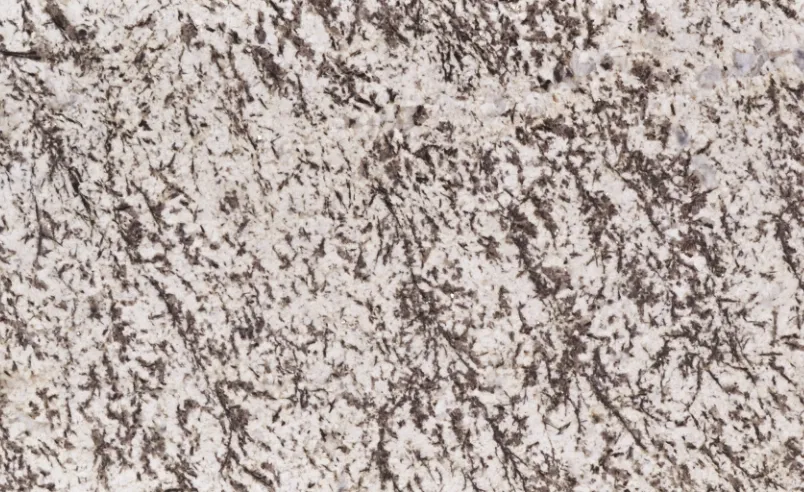
- Stoning: The granite slab (e.g., Alaska White) is laid on top. The steel takes the tension load, preventing the stone from bending or snapping.
The "2/3 Rule"
Even with steel, the general engineering rule is that 2/3 of the slab should be supported by the cabinet, and only 1/3 should be overhang. If you want a massive dining table extension (50% overhang), you will need vertical legs or a waterfall edge for structural integrity.
#Installation#Support#Kitchen#Safety
Share Article: