
Texture is the New Color
When selecting granite, most buyers focus 90% on color and 10% on finish. This is a mistake. The finish of the stone determines how it feels, how it reflects light, how slippery it is, and how much maintenance it requires. In 2025, texture is the leading trend in interior design.
At Ruvello, we process raw granite blocks into five distinct finishes. Here is your definitive guide to choosing the right one for your project.
1. Polished (The Classic Mirror)
The Process: The stone is ground with progressively finer diamond grits (50 to 3000) until the surface is perfectly flat. A final buffing stage creates a high-gloss, reflective surface.
The Look: Deep, rich, and vibrant. Polishing enhances the natural color and contrast of the stone. Absolute Black looks jet black when polished but dark grey when honed.
Pros:
- Stain Resistance: The polishing process seals the pores of the stone tightly. It is the most resistant to water and oil.
- Hygiene: The smooth surface is easy to wipe clean.
- Luxury: The reflectivity adds light to small rooms.
Cons: Shows fingerprints, dust, and smudges easily. Extremely slippery when wet (not for bathrooms/patios).
Best For: Kitchen countertops, wall cladding, hotel lobbies.
2. Honed (The Modern Matte)
The Process: The grinding stops at a medium grit (usually 400-600). The surface is smooth and flat but has a satin/matte appearance with zero reflection.
The Look: Soft, muted, and understated. It hides the "glitter" of the stone and creates a more organic, relaxed vibe.
Pros:
- Hides Scratches: A micro-scratch on a honed floor is invisible. On a polished floor, it breaks the reflection.
- Tactile: Feels soft like silk.
- Modern: The preferred finish for minimalist and industrial designs.
Cons: Porosity. Honing leaves the pores slightly more open than polishing. It requires more frequent sealing (every 6-12 months). Oil fingerprints can be visible on dark stones like Honed Nero Mist.
Best For: High-traffic floors, bathroom vanities, modern kitchen islands.
3. Leathered / Lapotra (The Textured Favorite)
The Process: After grinding flat, the stone is brushed with diamond-impregnated bristles. The brushes scour away the softer minerals (like mica) faster than the hard quartz, creating an undulating, pebbled texture.
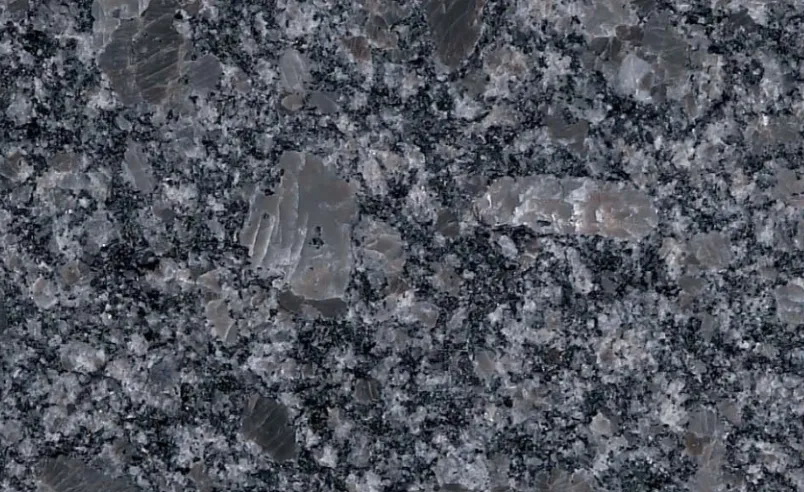
The Look: It looks like worn leather or a river rock. It has depth and shadow. On a stone like Steel Grey, it turns the silver flakes into raised islands.
Pros:
- Hides Everything: Fingerprints, water spots, and crumbs disappear into the texture. It is the ultimate low-maintenance finish for families.
- Stain Resistant: Surprisingly, the brushing action tightens the surface pores, often making it more stain-proof than honed.
- Touch: It demands to be touched. It adds warmth to a cold stone.
Best For: Kitchen countertops (especially islands), outdoor kitchens, bar tops.
4. Flamed (The Outdoor Safety Standard)
The Process: A high-temperature oxy-acetylene torch is passed over the wet stone. The thermal shock causes the surface crystals to burst and flake off.
The Look: Rough, rustic, and faded. The heat bleaches the color, making the stone look lighter and more natural.
Pros:
- Grip: It creates an R11 or R12 anti-slip rating. It is safe to walk on even in a downpour.
- Durability: Indestructible. Scratches are impossible to see on the rough surface.
Cons: Extremely rough. Not suitable for interiors (traps dirt). Can be hard to mop.
Best For: Outdoor paving, swimming pool surrounds, driveways.
5. Bush-Hammered (The Industrial)
The Process: A machine with a multi-point tool pounds the surface, creating uniform small pits.
The Look: Industrial, consistent, pitted. Like a heavy concrete texture.
Best For: Commercial exterior cladding, non-slip strips on stairs, public plazas.
Verdict
For a luxury kitchen, go Polished. For a busy family kitchen, go Leathered. For a bathroom floor, go Honed. For the patio, go Flamed. Ruvello can apply any of these finishes to any stone in our catalog.
