
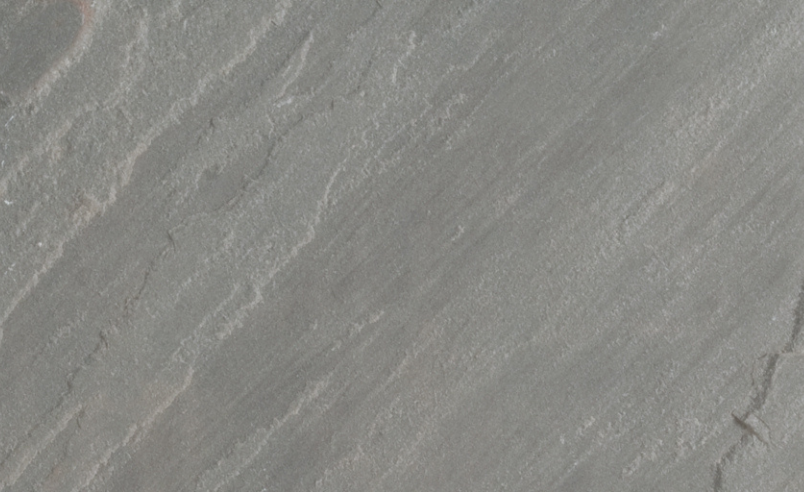
The Foundation of Your Garden
Choosing the right paving is critical. It must withstand rain, frost, sun, and BBQ grease. Here is how the three main Indian stones stack up.
1. Indian Sandstone (The Garden Favorite)
Top Stones: Kandla Grey, Raj Green, Mint Fossil.
Pros: Beautiful natural variation. The "Riven" (split) surface provides excellent natural grip. It stays cool in summer. Lowest cost option.
Cons: Porous. It absorbs water and algae (turns green). Requires annual cleaning or sealing. Soft edges can chip over time.
Best For: Traditional cottage gardens, patios.
2. Limestone (The Smooth Operator)
Top Stones: Kota Blue, Black Limestone (Kadappa).
Pros: Smoother surface (orange peel texture) than sandstone. Very flat. Deep colors (initially).
Cons: Fading. Black limestone *will* turn grey in the sun unless sealed with a color enhancer. Reacts with acid rain over decades. Slippery if polished.
Best For: Contemporary, flat courtyards.
3. Granite (The Engineer's Choice)
Top Stones: Steel Grey, Silver Grey, Black.
Pros: Indestructible. Zero water absorption (no algae). Acid rain proof. Consistent color.
Cons: Most expensive option. Can be hot in the sun (if dark). Requires a "Flamed" finish for grip.
Best For: Driveways (high load), modern minimalist plazas, pool surrounds.
Comparison Summary
Budget? Go Sandstone.
Longevity? Go Granite.
Sleek Look? Go Limestone (but seal it).
