
The Eye of the Inspector
Not all stone is created equal. In the export market, quality is everything. If you are buying a container, you need to know what constitutes a "defect." At Ruvello, we adhere to strict international standards.
1. Physical Defects (The Dealbreakers)
- Cracks: A physical break in the stone. If you can catch your fingernail on it, it's a crack. Verdict: Rejected immediately.
- Fissures: A natural geological separation that doesn't go through the slab. Verdict: Accepted in exotic stones, but usually rejected in uniform stones like Absolute Black.
- Pitting: Tiny holes on the surface where soft minerals (mica) popped out during polishing. Verdict: Acceptable in coarse stones like Tan Brown if filled with epoxy; rejected in fine-grain stones.
2. Aesthetic Defects (The Look)
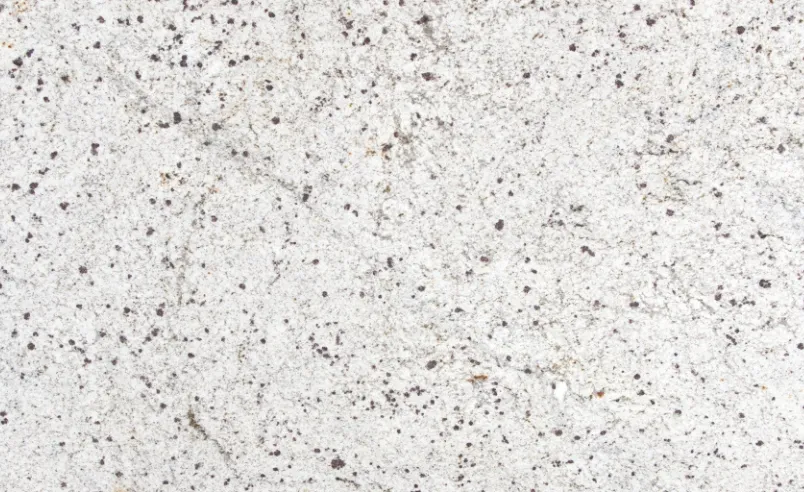
- Black Spots (Moles): Large concentrations of biotite. On a pure white stone like Colonial White, a black spot larger than a coin is a defect.
- Water Lines: Natural discoloration veins. If they ruin the pattern, the slab is downgraded to "Commercial."
- Polish Quality: We use a gloss meter. A premium slab must measure 90+ on the gloss scale. If it's cloudy, it's rejected.
3. The 'Flatness' Test
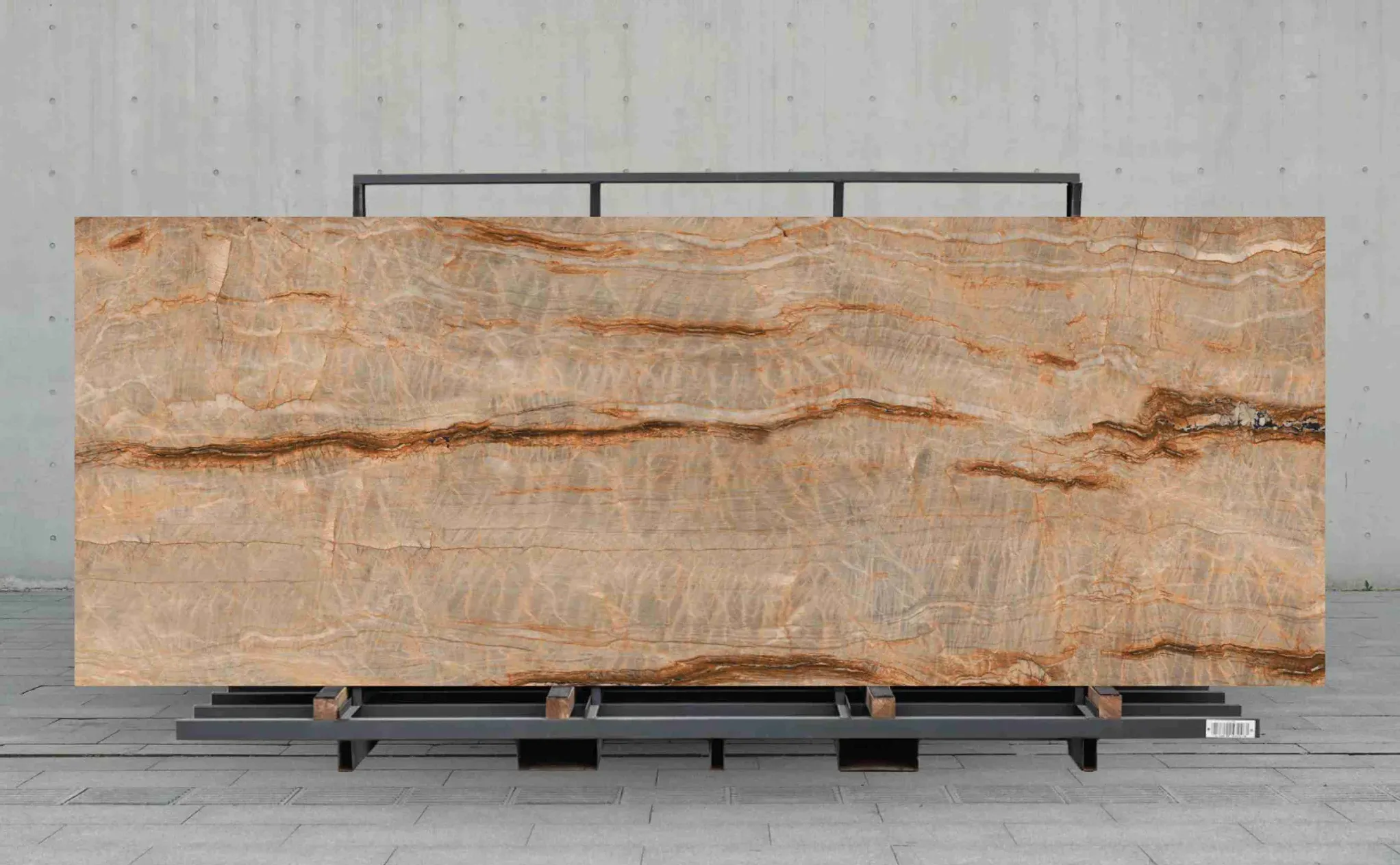
We place a long metal straight-edge across the slab. If there is a gap (bowing) of more than 1.5mm in the center, the slab is warped. Warped slabs are a nightmare to install and are always rejected for export.
Conclusion
Cheap granite is cheap for a reason. It usually failed one of these tests. Ruvello guarantees "First Choice" material, meaning you never have to worry about receiving a container of rejects.
#Quality Control#Defects#Inspection#Standards
Share Article: