The Poolside Challenge
A pool deck is the harshest environment for stone. It faces three enemies:
1. Water: Constant saturation.
2. Salt/Chlorine: Harsh chemicals that eat stone.
3. Safety: It must be non-slip for running kids.
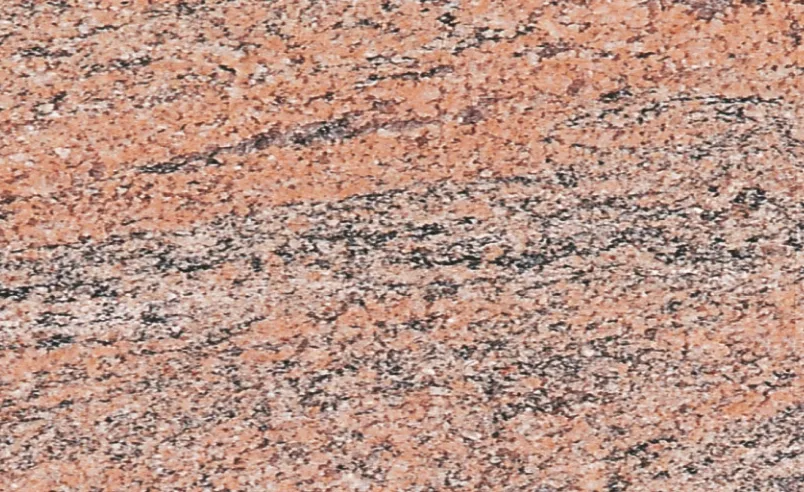
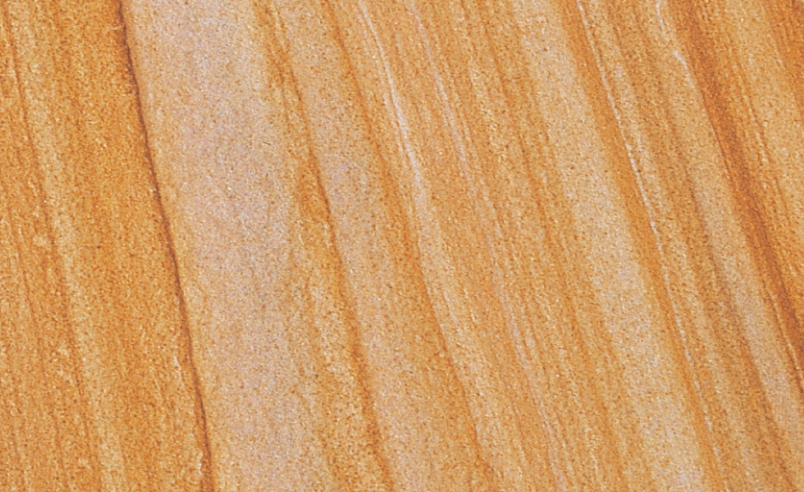
Contender 1: Indian Sandstone (Teakwood/Rainbow)
Slip Resistance: Excellent. Even when honed, Teakwood Sandstone has a natural grain that provides grip.
Heat: Sandstone is lighter in color and less dense than granite. It stays cooler under bare feet in the blazing summer sun.
The Risk: It is porous. If you have a Salt Water Pool, the salt water splashes onto the stone, evaporates, and salt crystals form inside the pores. As they grow, they can crack the stone (Salt Attack).
The Fix: You MUST use a "Consolidating Sealer" that hardens the stone matrix and repels salt water.
Contender 2: Limestone (Kota Blue/Black)
Slip Resistance: Good if textured (tumbled or sandblasted). Polished limestone is a death trap when wet.
Density: Kota Blue is harder and denser than sandstone. It resists salt attack better naturally.
The Risk: Color fading. Black limestone will turn grey in the sun. Also, limestone reacts with acid. If you spill acidic pool cleaners, it will etch.
Verdict
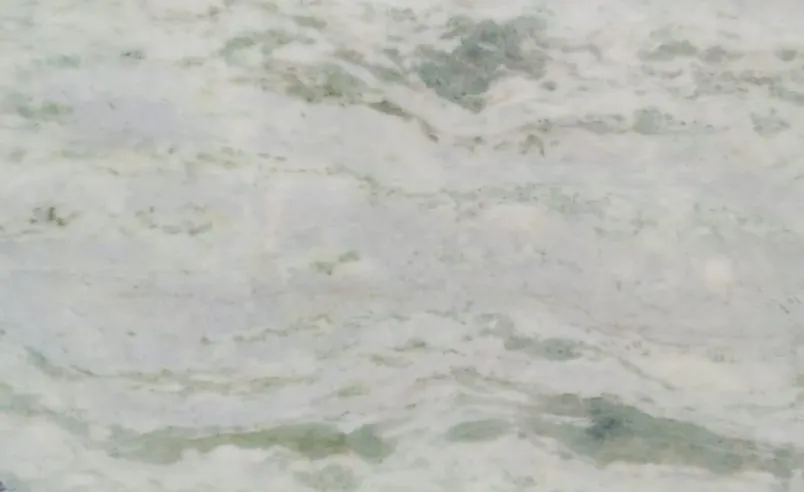
- Best for Grip & Heat: Sandstone (Teakwood or Mint). Essential for families.
- Best for Longevity: Limestone (if sealed properly).
- The Ultimate Option: Porcelain pavers (like Seasand Natural). They are salt-proof, stain-proof, and R11 anti-slip rated.