
The "Seal Everything" Myth
The stone industry has done a great job convincing homeowners that "Granite = Needs Sealing." While this is true for white and beige porous stones, it is often a mistake for premium black stones like Black Galaxy or Absolute Black.
Density vs. Porosity
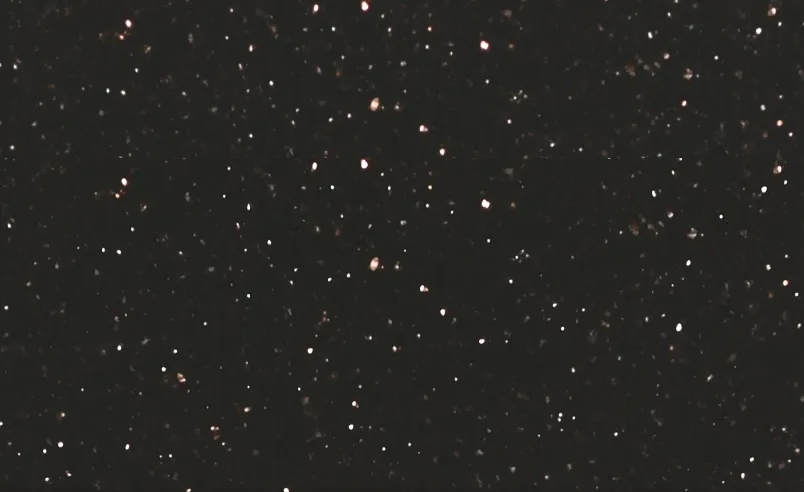
Black Galaxy is quarried in Ongole, Andhra Pradesh. It is an extremely dense Gabbro stone. Its porosity is near zero (0.02% water absorption). It is so tight that water molecules simply cannot enter.
What Happens When You Seal It?
When you apply a liquid impregnating sealer to Black Galaxy, the stone rejects it. The sealer cannot soak in. Instead, it sits on the surface and dries.
The Result: A cloudy, hazy film that looks like greasy smudges. You wipe it, and it smears. Homeowners think their stone is defective, but actually, they just have a layer of dried chemical on top.
The Acetone Fix
If you have over-sealed your black granite and it looks hazy, you need to strip the sealer off.
1. Material: Pure Acetone (from a hardware store) and 0000 Steel Wool.
2. Process: Pour acetone on the haze. Scrub gently with the steel wool. Wipe dry immediately with paper towels.
3. Result: The haze disappears, revealing the natural high-gloss polish of the stone.
When DOES it need sealing?
There is one exception. If you have bought a "Commercial Grade" Black Galaxy that has visible micro-fissures or open veins, these specific areas might absorb liquid. In this case, apply sealer only to the affected areas, let it sit for 3 minutes, and wipe it bone dry. Do not let it dry on the surface.
The Ruvello Promise: We mainly export Premium Grade Q1 Galaxy, which is naturally stain-proof and maintenance-free.