The Perfect Match: Stone and Heat
If you are installing Underfloor Heating (UFH), the flooring material you choose defines the system's efficiency. Wood insulates (bad). Carpet blocks heat (terrible). Natural Stone conducts heat (perfect).
1. Thermal Conductivity
Stone has high thermal mass. It absorbs the heat from the pipes, holds it, and radiates it evenly into the room long after the system is turned off.
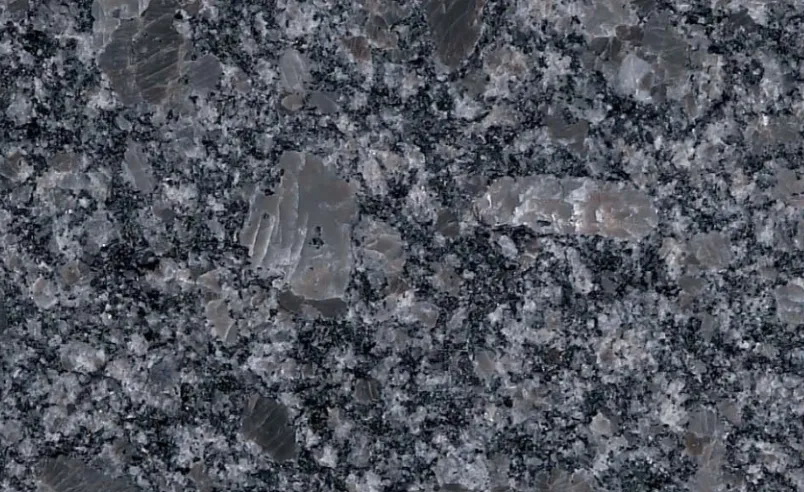
Granite: Extremely dense. Heats up slower but stays hot longer. Ideal for off-peak energy usage.
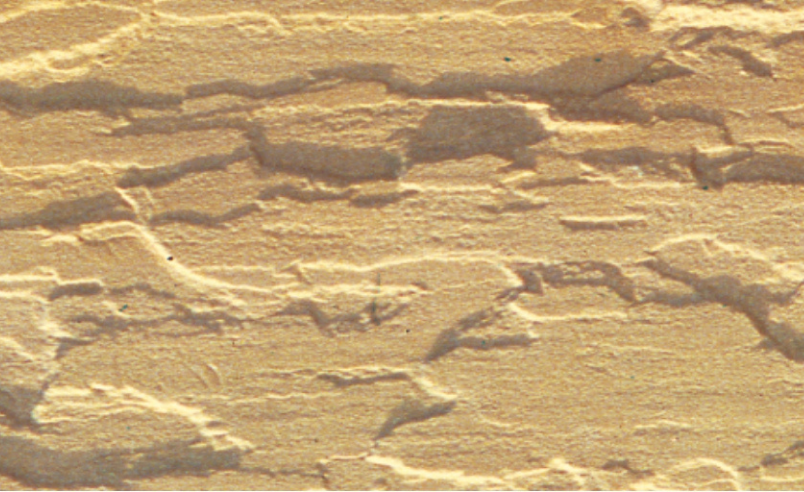
Limestone/Marble: Heats up faster. Great for quick-response systems.
2. The Installation Rules
Installing stone over heat requires specific engineering to prevent cracks.
A. The Adhesive (Flexible)
You cannot use standard rigid mortar. As the floor heats up, the pipes expand. The adhesive must flex. You must use an S2 Flexible Polymer-Modified Adhesive. If you use cheap cement, the tiles will debond (pop loose) within a year.
B. Expansion Joints
Stone expands when hot. If you tile a 100sqm room wall-to-wall without a gap, the pressure will crack the stone.
The Rule: You need an expansion joint every 8-10 meters (or at every doorway). This silicone-filled gap allows the floor to "breathe" without cracking.
C. The Commissioning Protocol
Crucial Mistake: Do not turn the heating on full blast the day after tiling. The rapid drying will shock the adhesive.
Wait Time: Wait 2 weeks for the adhesive to cure naturally. Then, increase the temperature by 5°C per day until max temp is reached.
Best Stones for UFH
Steel Grey Granite and Kota Blue Limestone are excellent choices due to their density and uniform thermal transfer.