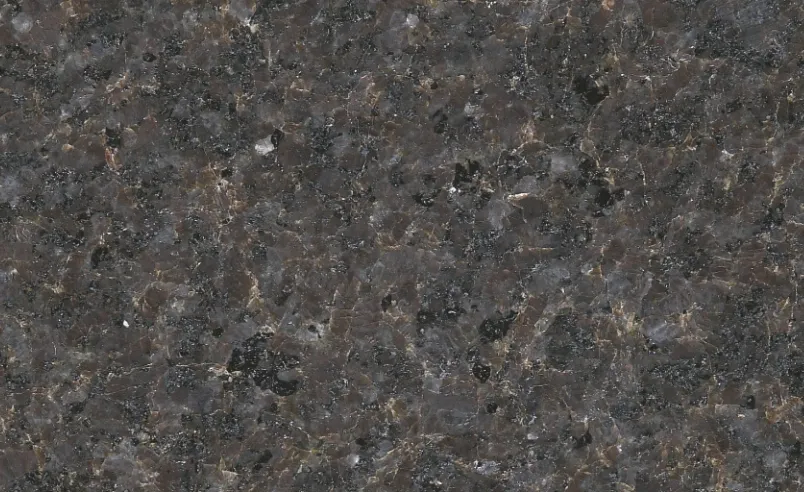
Beyond the Polish
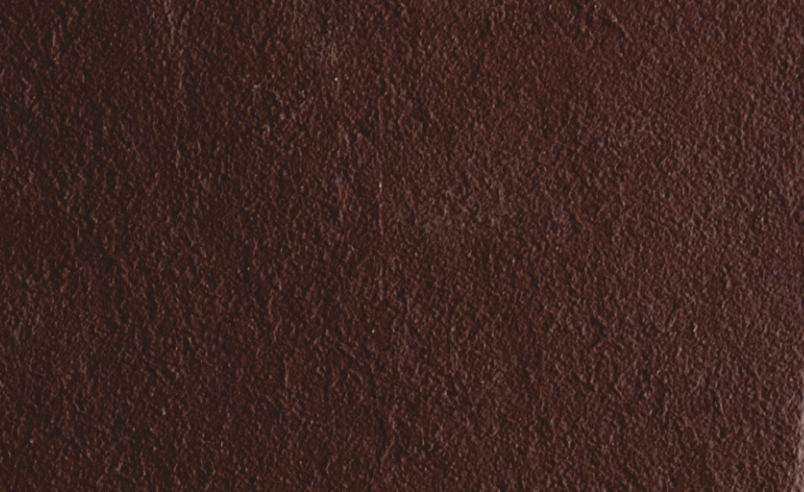
Polished granite is classic, but "Leathered" (or Lapotra/Antique) is the finish of the decade. It feels like a smooth river rock—textured but soft. But how do we turn a hard rock into "leather"?
The Process
It is not done by hitting the stone. It is done by Brushing.
1. Grinding: First, the slab is ground flat to remove saw marks, but not polished.
2. Diamond Brushes: We use a series of oscillating heads equipped with dense bristles impregnated with diamond grit.
3. The Erosion: Granite is made of different minerals (Quartz, Feldspar, Mica). They have different hardness. The brushes scour away the softer minerals (mica) faster than the hard minerals (quartz). This differential erosion creates the pits and valleys.
Why Texture Matters
This isn't just aesthetic.
Stain Resistance: Surprisingly, the brushing action closes the pores of the stone tightly, often making it more stain-resistant than a honed finish.
Touch: On a stone like Black Pearl, the leathering turns the silver flakes into little reflective islands in a matte sea. It hides fingerprints completely, making it the ultimate low-maintenance finish for busy households.
Applications
- Countertops: Adds tactile warmth.
- Outdoor Steps: Provides non-slip grip without being rough like flamed stone.
- Wall Cladding: Adds depth and shadow under architectural lighting.