The Green Invasion
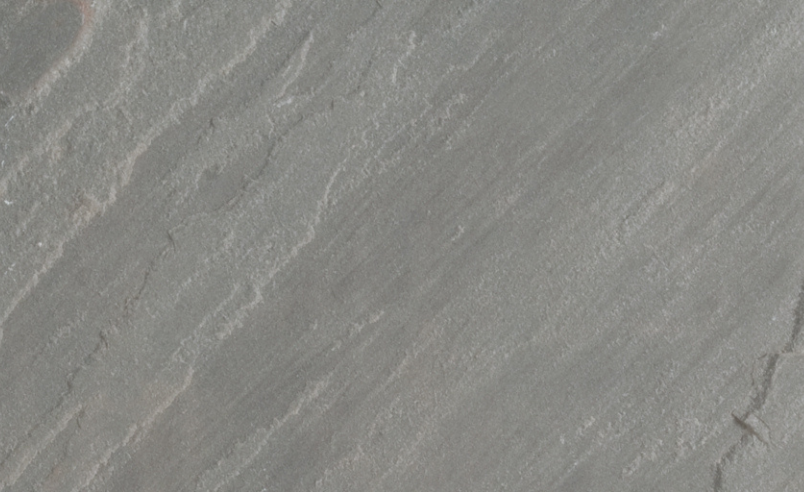
You laid a stunning Kandla Grey Sandstone patio in the summer. By winter, it has developed a slippery green film. This is not a defect in the stone; it is nature at work. The green layer is usually a mix of algae, lichen, and moss.
The Science of Porosity
Indian Sandstone is a sedimentary rock. Think of it like a hard sponge. It has millions of microscopic open pores. When it rains, these pores fill with water. In shaded areas (North-facing gardens), this dampness stays for days, creating the perfect petri dish for airborne algae spores to land and bloom.
Why Pressure Washing Fails
Most homeowners blast the patio with a high-pressure washer (Karcher).
The Problem: This only removes the visible surface algae. The roots (hyphae) remain deep inside the pores. In fact, pressure washing can open the pores further, making the stone more porous. The algae returns in weeks, often thicker than before.
The Professional Solution: Biocides
To cure the problem, you need chemistry, not physics. You need a "Benzalkonium Chloride" based biocide (often sold as 'Wet and Forget' or simply 'Patio Cleaner').
- Application: Spray the dry patio thoroughly on a cloudy day.
- Action: The chemical soaks deep into the pores and kills the root system of the algae.
- Residual Effect: Unlike bleach which evaporates, biocides leave a microscopic residue in the stone that prevents regrowth for 6 to 12 months.
Pro Tip: For Mint Sandstone (which is very light), this is essential to prevent permanent organic staining.